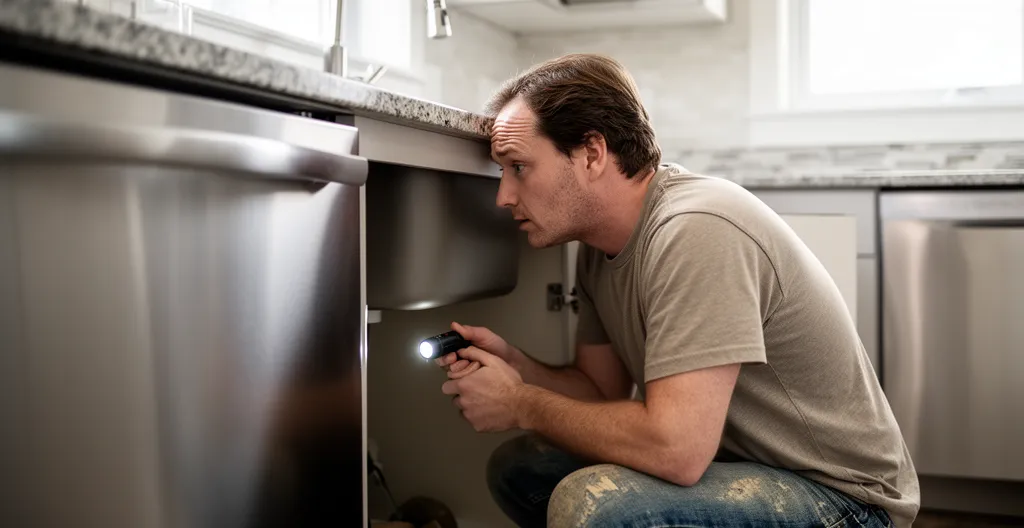
That dripping faucet has been driving you crazy for three weeks. You watched a YouTube video. You bought the wrench. And now you’re standing in your kitchen wondering if this is the moment you flood your basement and turn a $15 fix into a $40,000 disaster.
I get it. Nobody wants to pay $145 an hour for something they could handle themselves. But after responding to thousands of service calls across Southwestern Ontario, I’ve also seen what happens when homeowners guess wrong. Some repairs genuinely belong on your weekend to-do list. Others will punish you for trying.
The Quick Answer on DIY vs Pro
- Dripping faucets, running toilets, and slow drains are usually DIY-safe
- Anything involving your main water line, gas connections, or hidden leaks needs a licensed professional
- Water stains on ceilings or walls? Stop what you’re doing and call now
- Ontario Building Code requires permits for most plumbing modifications beyond simple fixture swaps
The Real Cost of Getting It Wrong
The calls I dread most are the ones that start with “I tried to fix it myself…” Last spring, I got one of those from Mark, a first-time homeowner in Kitchener. He noticed his toilet kept running. Simple enough problem. A $15 flapper replacement, twenty minutes tops.
Except Mark over-tightened the tank bolts. Cracked the porcelain. What started as a quick Saturday fix ended with me installing a complete new toilet for $380. He learned the expensive lesson that plumbing components are more fragile than they look.
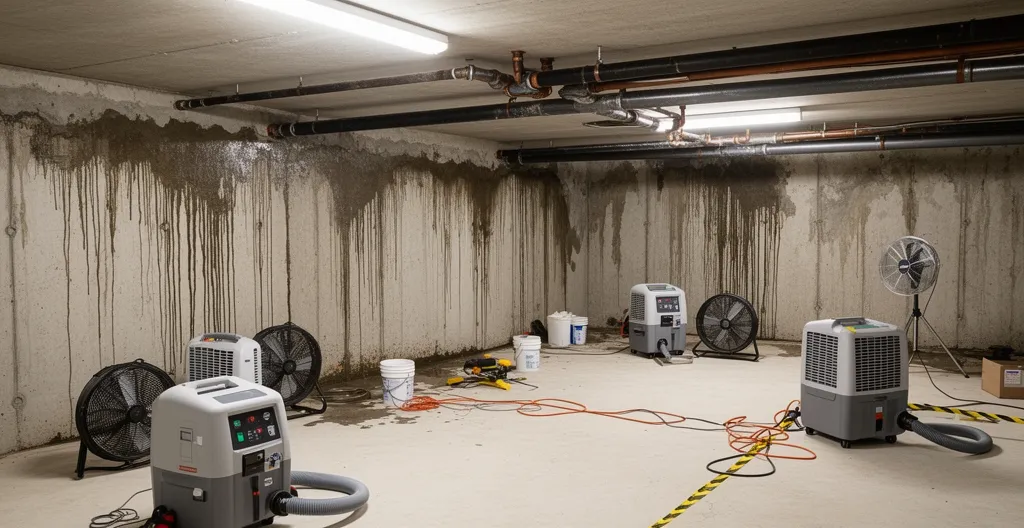
40,000$+
Average cost of repairing a flooded basement in Canada
That’s not a typo. According to water damage repair cost estimates from Ratehub, the average flooded basement restoration runs over $40,000 in Canada. And here’s what makes it worse: if your insurance company determines the damage resulted from a slow leak you should have noticed, or DIY work you botched, they might deny your claim entirely.
In my experience serving Southwestern Ontario homes, one of the most common disasters I get called to fix is a DIY shut-off valve replacement gone wrong. What starts as a simple swap turns into a flooded basement because the homeowner didn’t locate and close the main water supply first. This observation is specific to my service area—older homes in the Kitchener-Waterloo region present particular challenges with corroded valves.
DIY-Friendly vs Call-a-Pro: The Honest Breakdown
I’m not going to tell you to call a plumber for everything. That would be dishonest, and you’d stop trusting anything I say. Some repairs genuinely belong on your weekend list. The trick is knowing which ones.
Repairs You Can Tackle This Weekend
If you can use a wrench and follow instructions, these are yours to handle:
- Dripping faucets — Usually a worn washer or cartridge. Hardware store fix, under an hour
- Running toilets — Typically the flapper or fill valve. YouTube tutorials work fine for this
- Slow drains — Hair clogs in bathroom sinks respond well to a basic drain snake
- Showerhead replacement — Unscrew old one, apply plumber’s tape, screw on new one
- Aerator cleaning — Low water pressure often comes from mineral buildup you can clean yourself
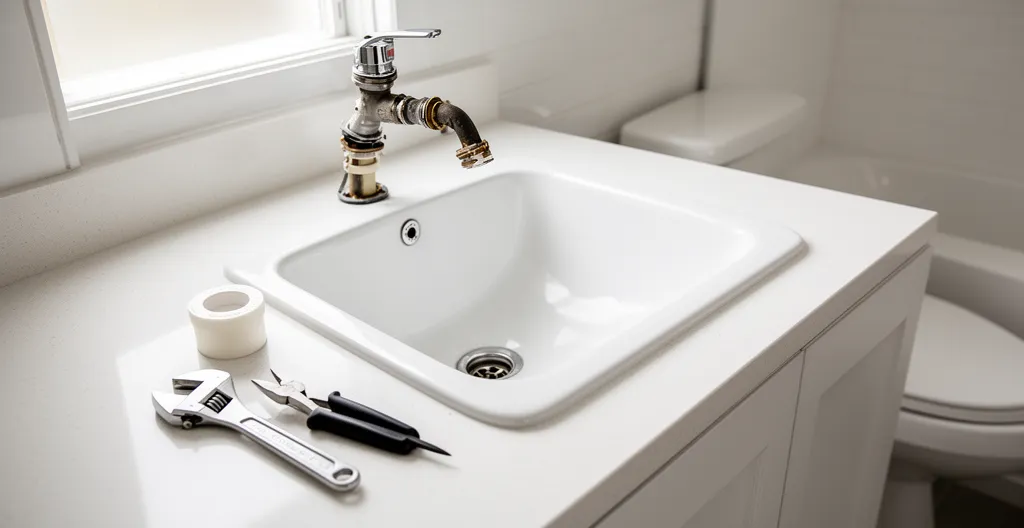
Honestly, if you’re comfortable following instructions and can identify when to stop, these repairs save you real money. That said, know your limits. The moment things get complicated, set down the wrench.
The Gray Zone: Proceed With Caution
These repairs are technically possible for a skilled DIYer, but they carry higher stakes. One wrong move costs serious money:
- Toilet replacement — Doable, but wax ring sealing is critical. Mess it up, you get sewage leaks
- Garbage disposal installation — Electrical and plumbing combined. Know both or call a pro
- Replacing supply lines — Simple concept, but stripped connections cause slow leaks behind walls
My rule for homeowners in the Guelph-Cambridge area: if the repair requires you to turn off water to the whole house, think twice. That’s where small mistakes cascade into big problems. For more context on this decision, there are good reasons for hiring professional plumbers that go beyond just skill.
Stop and Call a Professional Immediately
No debate here. These situations require a licensed professional:
- Anything involving gas lines — According to TSSA gas technician licensing requirements, only certified technicians can legally work on gas connections in Ontario
- Main water line repairs — Permits required, high-pressure systems, flooding risk
- Water heater installation — Gas or electric, both involve safety risks beyond basic plumbing
- Sewer line issues — Tree roots, collapsed pipes, and camera inspections need pro equipment
- Water stains on ceilings — This indicates hidden leaks already causing structural damage
Should You DIY This Plumbing Repair?
-
Is water actively spraying or flooding?
Turn off your main water supply immediately and call a professional. This is an emergency.
-
Does the repair involve gas connections?
Stop. Gas work requires TSSA-certified technicians by law. No exceptions.
-
Can you see and easily reach the problem?
Visible, accessible issues like faucet drips are usually DIY-safe. Hidden leaks inside walls need professional assessment.
-
Is your home under warranty or less than 7 years old?
Check your Tarion warranty terms first. DIY plumbing modifications may void coverage on related systems.
Here’s the comparison I give to neighbours who ask my honest opinion:
| Repair Type | DIY Difficulty | What Could Go Wrong | Pro Cost Range |
|---|---|---|---|
| Dripping Faucet | Easy | Stripped threads, water waste | $150-$250 |
| Running Toilet | Easy-Moderate | Cracked tank, improper seal | $180-$350 |
| Clogged Main Drain | Difficult | Pipe damage, incomplete clearing | $200-$450 |
| Water Heater Install | Do Not Attempt | Gas leaks, flooding, electrical hazards | $1,500-$3,500 |
| Burst Pipe Repair | Do Not Attempt | Flooding, structural damage, mold | $500-$2,000+ |
What a Service Call Actually Involves
Part of the hesitation around calling a plumber comes from not knowing what to expect. People imagine chaos, judgment about their DIY attempts, and a massive bill. The reality is more straightforward.
According to plumber cost analysis for Ontario in 2026, hourly rates typically range from $110 to $145, with emergency calls running $200 to $350 due to overtime and immediate response requirements. That’s real money, but it includes diagnosis, expertise, and liability coverage if something goes wrong.
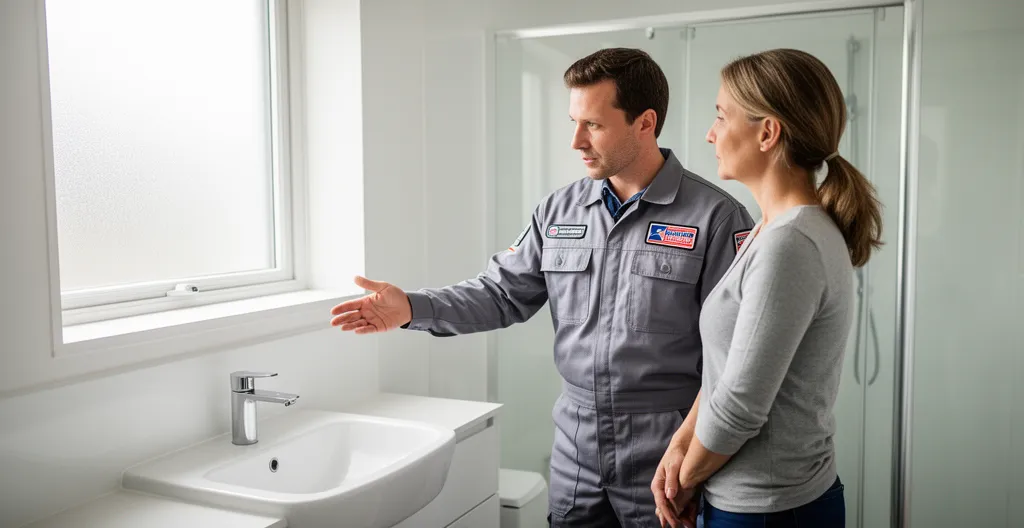
-
Dispatcher gathers details about your issue and location -
Calls before 2 PM typically get same-day service; afternoon calls may be next morning -
15-30 minutes assessing the actual problem, which may differ from what you described -
Written estimate before any work begins—you approve or decline -
Work done, area cleaned, and explanation of what was fixed
Reputable licensed plumbers carry liability insurance. If they cause damage during the repair, their insurance covers it. If you cause damage during DIY, your home insurance might have thoughts about that—and they won’t be favourable.
How to Avoid Getting Overcharged
Frankly, the fear of being ripped off keeps more people attempting DIY than the actual difficulty of repairs. Fair concern. Some contractors are dishonest. But there are ways to protect yourself.
Before any plumber arrives, know these things:
Before You Call: Your Prep Checklist
-
Write down exactly what you’re observing: drip rate, sounds, water colour, smell
-
Know where your main water shut-off valve is located
-
Ask for a written estimate before work begins—refuse verbal-only quotes
-
Request proof of license and insurance—legitimate plumbers expect this question
-
If something feels off about the quote, get a second opinion before authorizing work
What YouTube tutorials don’t show you is the negotiation that happens before work starts. A good plumber will explain options at different price points. Emergency repairs cost more, but a leak that can wait until Monday might save you the after-hours premium.
Your Questions About DIY vs Professional Plumbing
Can I replace my own toilet?
Technically yes, but the wax ring seal is unforgiving. A poor seal leads to sewage odours and water damage to your subfloor. If you’ve done it before, go ahead. First-timers might want professional installation to ensure a proper seal.
What plumbing work requires a permit in Ontario?
Most modifications beyond simple fixture swaps require permits under the Ontario Building Code. Adding new plumbing, relocating pipes, or water heater installations typically need permits. Your municipality’s building department can confirm specific requirements. Simple repairs like replacing a faucet or fixing a running toilet don’t require permits.
Will my home insurance cover DIY plumbing damage?
It depends. According to insurance industry water damage guidelines from BrokerLink, coverage is designed for sudden and accidental events, not predictable or preventable damage. If a DIY repair you attempted causes flooding, your claim might be affected or denied. Insurers investigate the cause, not just the damage.
How do I verify if a plumber is properly licensed?
Ask for their license number and verify it through Ontario’s skilled trades portal. Legitimate plumbers expect this question. Also ask for proof of liability insurance. If they hesitate or get defensive, that tells you something important about their professionalism.
Is it worth calling a plumber for just a slow drain?
Start with a drain snake yourself—bathroom sink clogs are often just hair buildup. But if multiple drains are slow simultaneously, or the problem keeps returning, that suggests a main line issue. At that point, professional camera inspection saves you from guessing. Understanding priorities for homeowners during renovations helps you distinguish between quick fixes and symptoms of larger problems.
The Next Step for Your Situation
Here’s what I tell my own family members: if you can describe the problem clearly and it involves a single, visible fixture, give DIY a shot. The worst that happens is you learn something and call a pro anyway.
But the moment you see water where it shouldn’t be—ceiling stains, unexplained puddles, or anything involving your water heater or gas connections—that’s when reaching for the phone saves you money in the long run. The $145 service call is always cheaper than the $40,000 basement restoration.
When in Doubt, Call a Pro
This guide provides general criteria; every plumbing situation has unique factors. Ontario building codes and permit requirements may vary by municipality. DIY work may void home warranties or affect insurance claims. When uncertain, consult a licensed plumber or your local building department before starting repairs.