Most luxury travelers default to predictable circuits: the French Riviera, Amalfi Coast, Greek islands. These destinations deliver polish and prestige, but increasingly at the cost of authenticity. Overdevelopment, cruise ship crowds, and architectural excess have transformed once-charming coastal towns into polished theme parks of luxury.
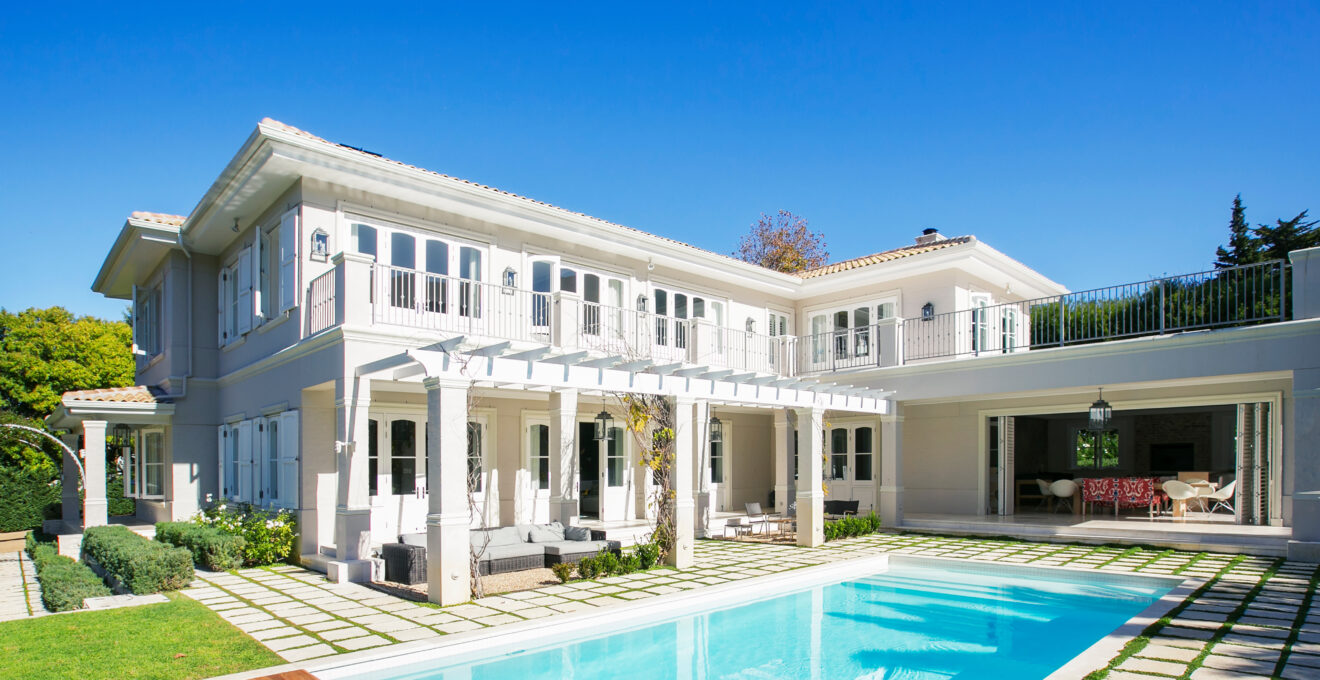
A small island off France’s Atlantic coast challenges this model entirely. Île de Ré, connected to La Rochelle by a three-kilometer bridge, operates under different principles. The luxury villa rentals on Île de Ré exist within a framework that limits construction, mandates architectural harmony, and privileges preservation over profit. This isn’t marketing rhetoric—it’s enforced law.
The island represents what might be called anti-ostentatious luxury: exclusivity achieved through restraint rather than spectacle, authenticity maintained through regulation rather than market forces. For sophisticated travelers fatigued by conventional luxury’s excesses, Île de Ré offers a fundamentally different value proposition.
Why Île de Ré Belongs on Your Luxury Travel Radar
- Heritage protection laws limit villa inventory, creating authentic scarcity absent from deregulated destinations
- Strategic booking windows deliver optimal island experiences paired with significant rate advantages over peak summer
- Bicycle storage, garden maturity, and architectural preservation signal genuine luxury over generic rentals
- The island redefines luxury through cultural integration and restraint, not resort amenities
- Premium rates justify themselves through concierge depth and authentic local connections
Why Architectural Restrictions Make Île de Ré More Exclusive Than Deregulated Rivieras
The island’s exclusivity isn’t accidental. It stems from a deliberate regulatory framework that treats architecture as cultural heritage rather than commodity. Understanding this framework reveals why Île de Ré maintains character that Saint-Tropez and Cannes surrendered decades ago.
Since 1999, the entire island operates as a protected site with architectural codes that govern every visible detail. Buildings cannot exceed two stories. Facades must be whitewashed. Shutters must be painted specific shades of green, blue, or grey. New construction requires approval from heritage authorities who prioritize island character over owner preference. These aren’t suggestions—they’re legal requirements with enforcement mechanisms.
The visual result is remarkable consistency. Walking through villages like Ars-en-Ré or La Flotte, you encounter limestone walls weathered by Atlantic salt air, wooden shutters aged to perfect patina, and tile roofs that blend rather than compete. Every element reinforces a cohesive aesthetic identity.
This architectural homogeneity might sound restrictive, but it produces the opposite effect for luxury travelers. The regulations prevent the visual chaos that plagues unregulated coastal destinations, where modern glass towers cast shadows over historic cottages, and each property owner competes for attention through architectural excess.
The protection carries official recognition. In 2012, the territory achieved a milestone by becoming the first French island awarded Pays d’art et d’histoire heritage status, joining just 190 territories nationwide under this cultural designation. The label confirms what discerning travelers already sense: the island’s architectural integrity delivers value that transcends aesthetics.
The economic implications extend beyond prestige. Strict building codes create genuine scarcity in villa inventory. Unlike Mediterranean destinations that continually add luxury properties, Île de Ré’s development capacity is effectively capped. Limited supply meeting steady demand produces pricing power that reflects exclusivity rather than marketing inflation.
France’s Heritage Protection Impact on Tourism Value
Properties within 500 meters of listed buildings in France must comply with strict architectural guidelines enforced by the ABF (Architecte des Bâtiments de France). This creates scarcity and maintains authentic character, particularly on islands where the entire territory falls under protection, preventing overdevelopment seen in unregulated coastal destinations.
Compare this to the Côte d’Azur, where decades of deregulated construction transformed fishing villages into high-density resort zones. Île de Ré rejected that trajectory, and luxury travelers now pay premium rates precisely because the island said no to the developments that would have compromised its character.
The Micro-Season Advantage Sophisticated Travelers Already Exploit
Generic travel advice presents Île de Ré as a summer destination, implying that June through August represents the optimal booking window. Sophisticated travelers ignore this guidance entirely. They understand that peak season delivers peak crowds, peak rates, and ironically, the least authentic island experience.
The island reveals different character across micro-seasons, each pairing specific experiences with villa availability and rate structures. Matching your booking window to your priorities requires understanding what changes month by month beyond simple weather patterns.
September through October represents perhaps the most compelling window. Ocean temperatures remain warm from summer accumulation, but French school schedules clear the island of family crowds. This timing coincides with oyster harvesting season in Fier d’Ars, when restaurants serve product pulled from beds that morning. Cycling conditions reach perfection—warm days, cool evenings, minimal wind.
Strategic timing extends beyond autumn. The shoulder seasons offer distinct advantages that align luxury villa amenities with optimal island experiences based on insider knowledge of seasonal patterns and rate structures.
Strategic Booking Windows for Luxury Villa Stays
- May-June: Gardens in full bloom with heated pools operational, 40% lower rates than July
- September-October: Perfect cycling weather coinciding with oyster harvest season
- Early May: Avoid French holiday rushes while enjoying spring temperatures
- Late September: Post-summer crowd departure with warm ocean temperatures remaining
Even winter presents opportunities for specific traveler profiles. Writers, remote workers, and creative professionals increasingly book November through March rentals, seeking the island’s off-season solitude. Villa rates drop substantially from summer peaks, and the Atlantic’s dramatic winter light attracts photographers documenting the island without tourist interference.
Understanding when to visit establishes the temporal framework. The next question becomes which properties deliver authentic luxury versus those simply occupying premium rate tiers without justification.
What Premium Villa Features Actually Signal on This Island Versus Tourist Traps
Standard luxury rental checklists emphasize WiFi speed, thread count, and infinity pool aesthetics. These factors matter, but they miss crucial indicators that separate genuine island properties from generic vacation rentals marketed as luxury based solely on pricing.
Evaluating Île de Ré villas requires island-specific literacy. Certain features signal owner commitment to authentic local luxury, while others reveal properties assembled by investors who’ve never experienced the island’s culture. Learning to decode these signals prevents costly booking mistakes.
Bicycle infrastructure provides an immediate tell. Properties with dedicated storage, maintenance stations, and adult bikes included demonstrate owner understanding that cycling isn’t recreational activity here—it’s primary transportation and cultural participation. The island’s 100 kilometers of dedicated bike paths form the social fabric.
Properties lacking this infrastructure force guests into car dependency, fundamentally missing the island experience. Luxury here means arriving by vehicle, then abandoning it for the week in favor of two wheels.
Pool specifications reveal similar insights. Heated saltwater systems extend usability across shoulder seasons, making May and September bookings viable. Unheated pools, regardless of size or aesthetics, limit utility to July-August when air temperatures reach consistent highs. The heating system signals whether the property targets year-round luxury travelers or purely summer tourists.
Garden maturity indicates long-term ownership versus recent acquisitions. Established maritime pines, mature roses, and native species like tamarisk and sea holly require years to develop in this salt-air environment. Properties with landscaping less than five years old often belong to investors who purchased, renovated to generic luxury standards, and listed for rental without understanding island-specific value drivers.
Location decode extends beyond simple village proximity. Properties within walking distance of Ars-en-Ré, La Flotte, or Saint-Martin-de-Ré offer different experiences than isolated rural locations. Neither is superior universally, but understanding the trade-offs prevents mismatched expectations. Village proximity means evening restaurant access by foot and integration into daily market rhythms. Rural isolation delivers privacy and garden space but requires driving for every errand.
Architectural authenticity matters most. Original exposed beams, limestone walls, and tile floors demonstrate respect for island heritage. Properties gut-renovated with contemporary finishes might photograph well but erase the character that justifies premium Île de Ré rates over generic coastal rentals. Understanding these evaluation principles aligns with broader luxury villa selection tips that prioritize authenticity over superficial amenities.
How Île de Ré Redefines Luxury Through Restraint Not Spectacle
The island challenges conventional luxury vocabulary. Terms like exclusive resort, private beach club, and celebrity hotspot don’t apply here—not because the island lacks luxury but because it defines the concept differently. Understanding this philosophical positioning reveals why certain traveler demographics pay premium rates for experiences that conventional luxury metrics might undervalue.
Consider the stealth wealth parallel. While billionaires dock mega-yachts in Monaco, a different wealth tier quietly rents simple island villas with whitewashed walls and weathered shutters. The latter group seeks luxury defined by authenticity and cultural integration rather than status display. Île de Ré caters to this demographic specifically.
Culinary luxury here means cycling to morning markets in La Flotte, selecting produce and seafood from vendors you recognize week after week, and preparing meals in villa kitchens equipped beyond token functionality. The island has excellent restaurants, but luxury travelers increasingly value market-to-table experiences over Michelin star dining rooms. The luxury lies in access to ingredients, not service staff.
Bicycles themselves become status symbols through inversion. On the Riviera, luxury travelers showcase vehicles—Ferraris, Bentleys, cigarette boats. On Île de Ré, cycling signals environmental consciousness and cultural literacy. Arriving with premium titanium road bikes indicates insider status more effectively than any luxury car left unused in villa parking.
Privacy manifests differently as well. Gated resort isolation provides privacy through separation from local culture. Île de Ré delivers privacy through integration—walled gardens that open onto village life, property positioning that allows walking to cafés frequented by year-round residents, and the anonymity that comes from participating in island rhythms rather than standing apart as obvious tourists.
The absence of casinos, nightclubs, and designer boutiques isn’t limitation but feature. Travelers seeking those amenities should compare accommodation options in destinations designed for that luxury expression. Île de Ré deliberately rejected that development model, and travelers willing to redefine luxury through restraint discover the island delivers experiences unavailable in conventional luxury markets.
This philosophical alignment explains why premium rates persist despite the island’s understated presentation. The final consideration becomes whether those rates deliver proportional value or simply capitalize on scarcity.
Key Takeaways
- Architectural preservation laws create authentic scarcity that prevents the overdevelopment plaguing unregulated luxury destinations
- September-October and May shoulder seasons pair optimal weather with substantial rate reductions and authentic experiences
- Bicycle facilities and garden maturity signal owner commitment to island culture over generic luxury marketing
- The island attracts travelers defining luxury through authenticity and restraint rather than conventional resort amenities
- Premium rates justify themselves through concierge depth, local connections, and scarcity-driven exclusivity
Booking Intelligence That Justifies Premium Rates Over Budget Alternatives
Transparent pricing discussions remain rare in luxury travel content, but sophisticated travelers demand this information before committing to four-figure weekly rates. The question isn’t whether Île de Ré villas cost more than mainland alternatives—they do—but whether premium rates deliver proportional value.
Rate structures follow seasonal multipliers that correlate with French vacation calendars more than weather patterns. July 14 through August 20 represents absolute peak pricing, coinciding with Bastille Day and French summer holiday conventions. Rates during this window can reach significant multiples of shoulder season pricing for identical properties. Understanding this pattern allows strategic booking that captures villa quality at reduced cost.
Weekly minimums dominate the rental market, particularly for premium properties. This creates last-minute arbitrage opportunities—owners prefer booking six days at reduced rates over holding out for full-week bookings that may not materialize. Flexibility on exact dates can unlock substantial savings within the same seasonal window.
Premium tier justification requires evaluating group size and priorities. A high-end villa accommodating eight guests delivers per-person value that hotel alternatives requiring multiple rooms cannot match. Compare this to accommodations lacking kitchen facilities and providing no private outdoor space. The villa value proposition strengthens significantly for groups of four or more traveling together.
Concierge services separate premium properties from high-priced mediocrity. Villas including bicycle delivery, pre-arrival grocery stocking, and connections to oyster farms or wine producers justify rates through access that booking platforms cannot replicate. Properties charging premium rates without these services warrant skepticism.
Red flags in pricing reveal problematic properties. Suspiciously low rates often indicate locations distant from desirable villages, maintenance deferred to minimize costs, or hidden fees separated from headline pricing. Premium properties communicate value transparently through detailed amenity listings, professional photography, and owner responsiveness during booking inquiries.
Île de Ré’s luxury villa market rewards informed booking decisions. The island’s authentic character, regulatory protections, and restraint-based luxury philosophy create conditions where premium rates deliver corresponding value—provided travelers understand how to evaluate properties, time bookings strategically, and recognize authentic luxury signals versus marketing inflation.
Frequently Asked Questions About Luxury Rentals on Île de Ré
What makes Île de Ré different from other French coastal destinations?
The island operates under strict architectural preservation laws that limit construction and mandate design consistency. This regulatory framework prevents the overdevelopment that transformed many Mediterranean destinations, maintaining authentic character that justifies premium rental rates. The entire island received Pays d’art et d’histoire heritage status, confirming its cultural significance and architectural integrity.
When is the best time to book a luxury villa on Île de Ré?
May and September-October offer optimal conditions for sophisticated travelers. These shoulder seasons deliver substantially lower rates than July-August while providing full villa amenities, perfect cycling weather, and authentic island experiences without peak-season crowds. September coincides with oyster harvest season, while May features gardens in full bloom and comfortable ocean temperatures.
How much should I expect to pay for a premium villa rental?
Premium villas typically require weekly bookings with rates varying significantly by season, capacity, and amenities. Shoulder season bookings in May or September-October cost substantially less than peak summer weeks. Weekly minimums are standard for quality properties, though last-minute flexibility can unlock significant savings.
What villa features indicate genuine luxury versus marketing inflation?
Key indicators include heated saltwater pools for shoulder-season usability, dedicated bicycle storage and maintenance facilities, mature gardens with native plant species, and preserved architectural elements like exposed beams and limestone walls. Properties lacking these features while charging premium rates often represent generic vacation rentals rather than authentic island luxury.